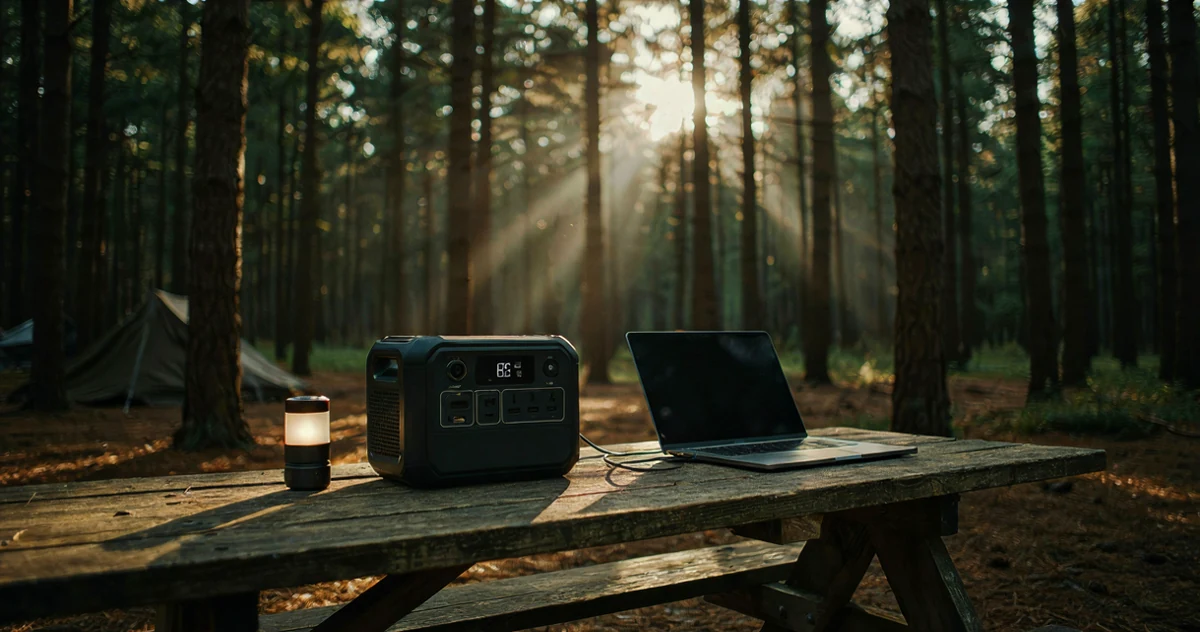
Best Portable Power Stations for Outages and Outdoor Adventures (2026)
Disclosure: This post contains affiliate links. We may earn a commission at no extra cost to you.
Whether you’re bracing for the next unexpected blackout or planning a weekend camping trip far from the nearest outlet, a good portable power station can genuinely change the game. These compact, battery-powered units have come a long way in recent years, and the options available in 2026 are more capable, more affordable, and more versatile than ever before. From keeping your fridge running during a storm to charging your devices at a remote campsite, the right power station can handle more than you might expect. In this guide, we’re breaking down some of the best portable power stations on the market right now, covering a range of budgets, capacities, and use cases. You’ll find options that are practical for home emergency prep, genuinely useful for outdoor adventures, and a few that offer some surprisingly clever features worth knowing about. No matter your situation, there’s likely a unit here that fits your needs perfectly. Let’s dig in and find the right one for you.
Disclosure: As an Amazon Associate we earn from qualifying purchases. Prices and availability shown are accurate as of the date of publication and may change.
Quick comparison
How to choose
Capacity and Runtime
The usable watt-hours (Wh) determine how long a station can run your devices before needing a recharge. A small unit around 88Wh suits phone and tablet top-ups, while units in the 288 to 296Wh range can handle laptops and CPAP machines for a night, and a 1000Wh-plus unit can run a mini-fridge or small appliance through an extended outage. Estimate your typical device wattage and daily usage hours, then choose a capacity with some headroom rather than buying to the minimum.
AC Output and Surge Rating
Rated AC output sets the ceiling for what appliances you can plug in simultaneously, and the surge or peak rating matters for motors and compressors that spike on startup. A 300W rated output is enough for laptops, cameras, and small fans, but anything with a heating element or built-in compressor may need the 600W or 1500W range found in larger units. Check the wattage printed on each appliance you plan to power and confirm both the rated and surge figures of the station cover it.
Battery Chemistry and Lifespan
LiFePO4 (also listed as LFP) chemistry generally offers more charge cycles before significant capacity loss compared with older lithium-ion formulations. Several units in this category list over 4000 cycles to 70% capacity, which translates to a decade or more of regular use. If you plan to cycle the station frequently for everyday backup rather than occasional camping, prioritizing LFP chemistry can reduce long-term replacement costs.
Recharge Speed and Solar Input
How quickly a station refills matters most during outages when wall power may not return soon. Fast wall-charge times range from about 45 minutes to a few hours depending on the unit, while solar recharge depends on panel wattage and available sunlight. If you want a self-sufficient off-grid setup, check whether a compatible solar panel is included or sold separately, and note the minimum and maximum solar input wattage the station accepts so you can size panels correctly.
Weight and Portability
Stations in this group range from roughly 2.3 lbs to about 23.8 lbs, and that spread has a real impact on where and how you can use them. A sub-3 lb unit fits in a daypack for hiking but carries far less capacity, while a 23 lb unit is better suited to car camping or keeping at home for outages. Think about whether you need to carry the station on foot or simply move it between rooms and your vehicle, then match the weight to your most common scenario.
The picks
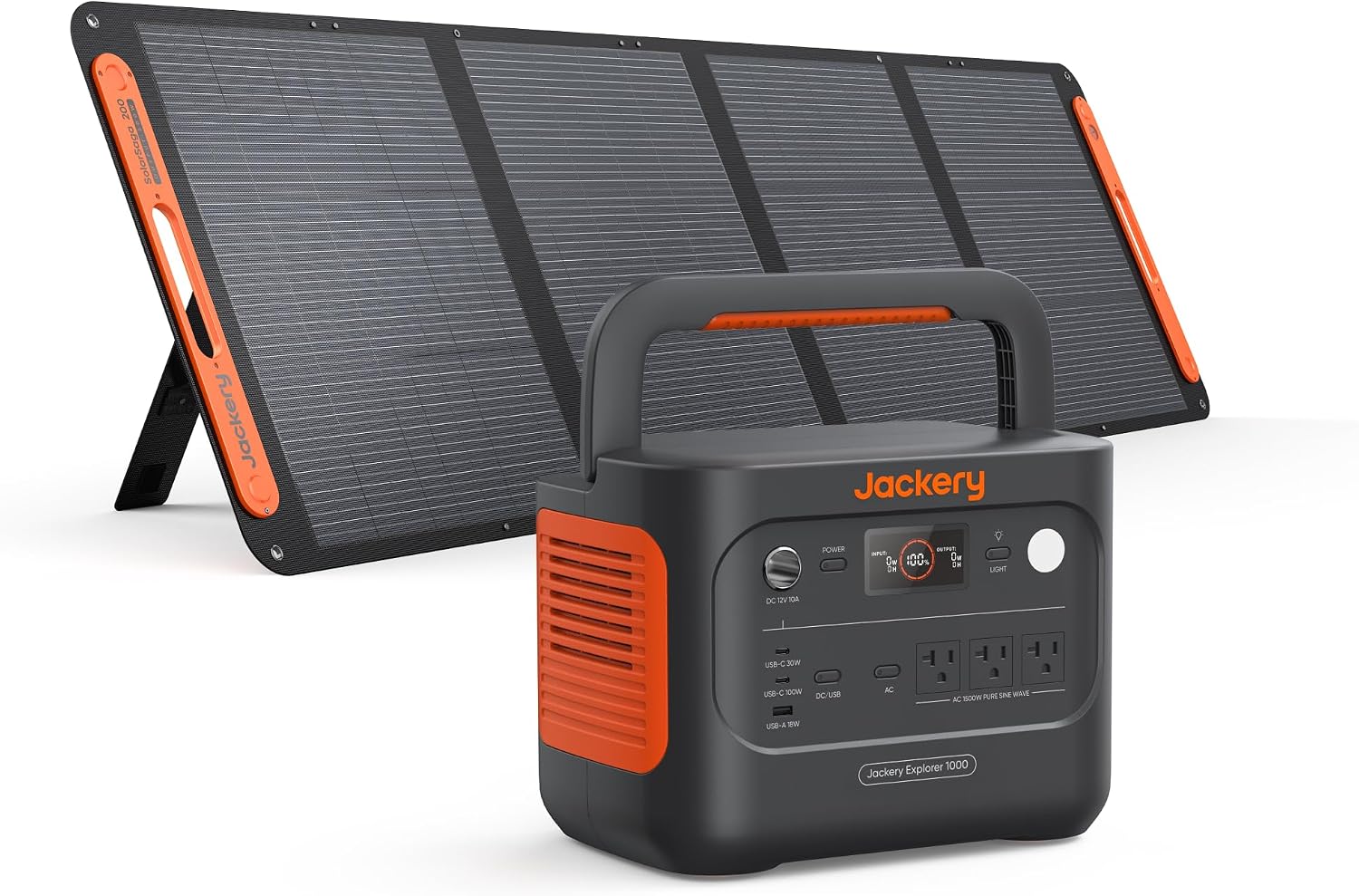
Jackery Solar Generator 1000 v2 and 200W Solar Panel,1070Wh,1500W AC
Users who need to power large appliances like mini fridges or AC units during outages or extended off-grid trips and want a full solar kit.
A 1,500W continuous and 3,000W surge AC output paired with a 200W solar panel included in the box makes it the most capable all-in-one solution in this set.
This is the most expensive product in this set, and at 23.8 lbs it is significantly heavier than every other option listed.
Premium
- 1,500W continuous output with 3,000W surge
- 200W solar panel included
- One-hour emergency fast charge via app
- Most expensive in this set
- Heaviest unit at 23.8 lbs
The top-tier pick for serious power demands, delivering full appliance capability and fast one-hour charging, at the highest price in this set.
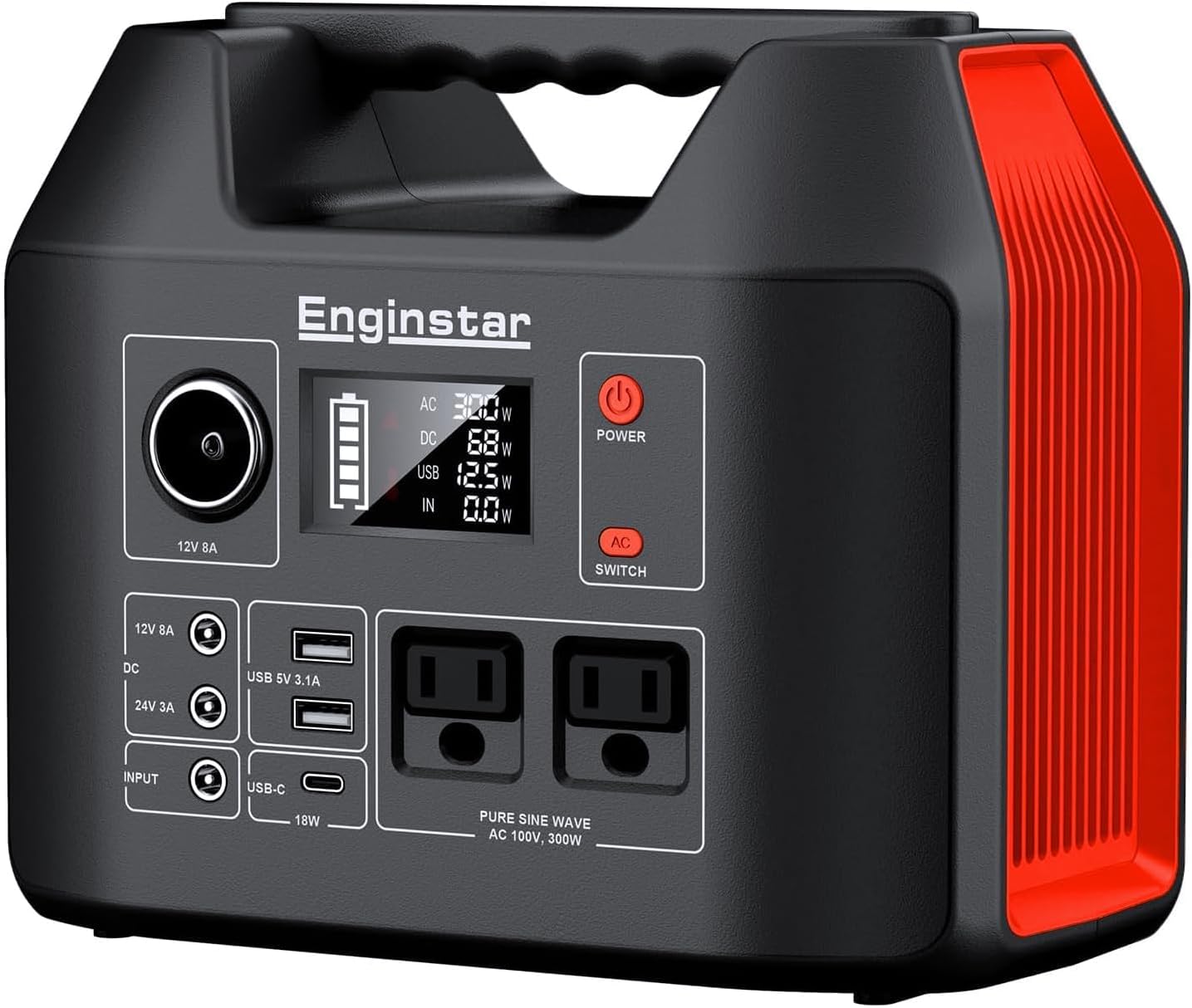
Buy on AmazonEnginStar Portable Power Station 300W 296Wh Solar Generator
Shoppers on the tightest budget who still need a 296Wh station with pure sine wave output and multi-device charging.
Pure sine wave AC outlets protect sensitive electronics like laptops and CPAP machines, a detail not always present at this capacity and price point.
This is the most affordable option in the set, and the solar panel is not included despite the listing title referencing a solar generator.
Budget
- Pure sine wave AC output
- 296Wh capacity at the lowest price here
- ETL certified for safety
- Solar panel not included
- Fewer fast-charge specs disclosed compared to competitors
The most affordable way into nearly 300Wh of pure sine wave power, best for buyers who already own or plan to buy a solar panel separately.
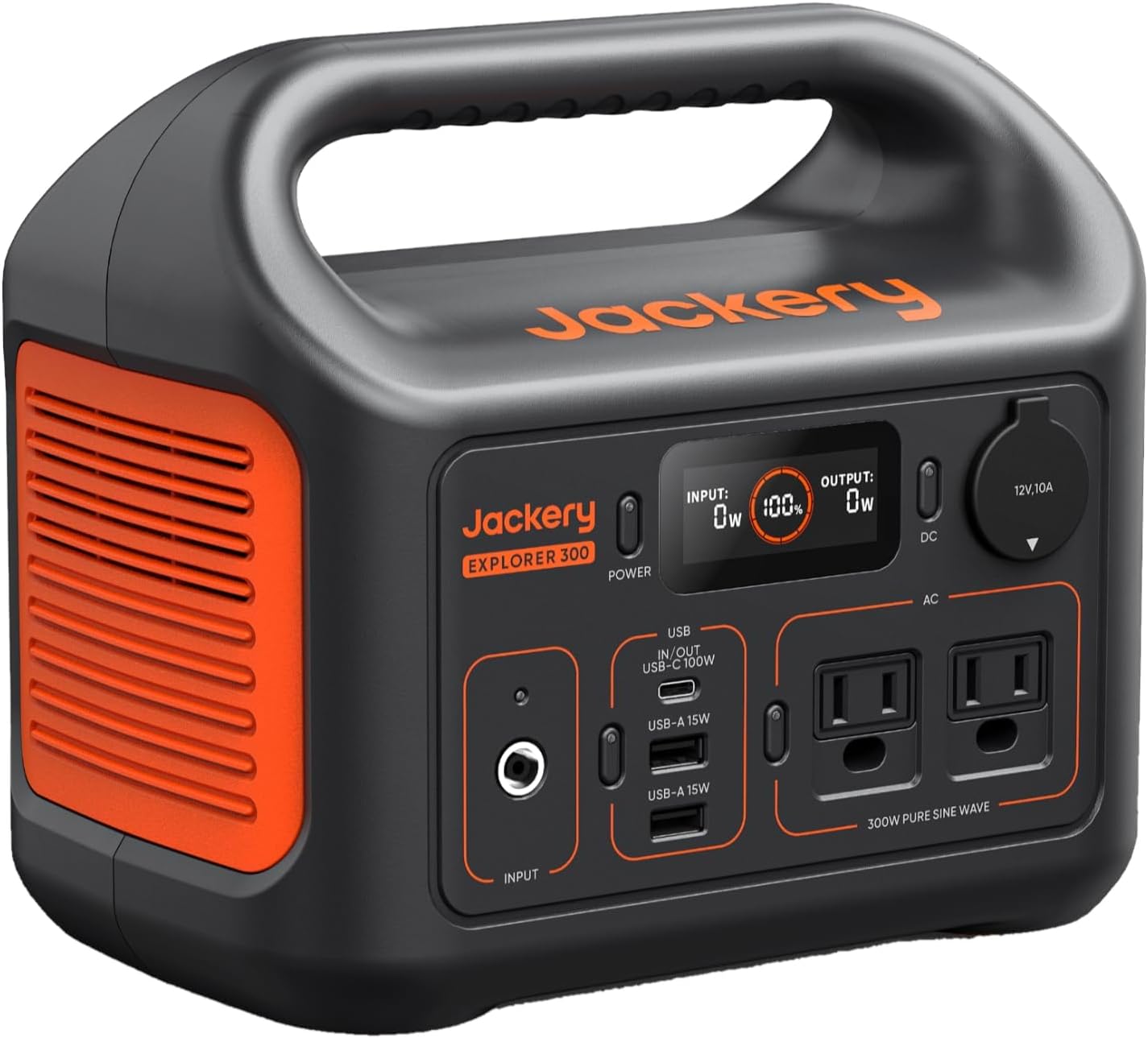
Buy on AmazonJackery Explorer 300 Portable Power Station,292Wh
Hikers and campers who want a lightweight station with long-term durability and fast solar recharging.
LiFePO4 chemistry rated for over 4,000 charge cycles translates to more than 11 years of service life, the longest stated lifespan among the smaller units here.
Solar panel is not included, so the advertised solar charging times require an additional purchase.
Mid-range
- LiFePO4 battery with 4,000 cycle rating
- 100W USB-C PD port included
- Only 7.5 lbs for 292Wh capacity
- Solar panel sold separately
- Lower wattage ceiling than larger units
A proven compact station with outstanding longevity and a well-rounded port selection, though you will need to buy a solar panel separately.
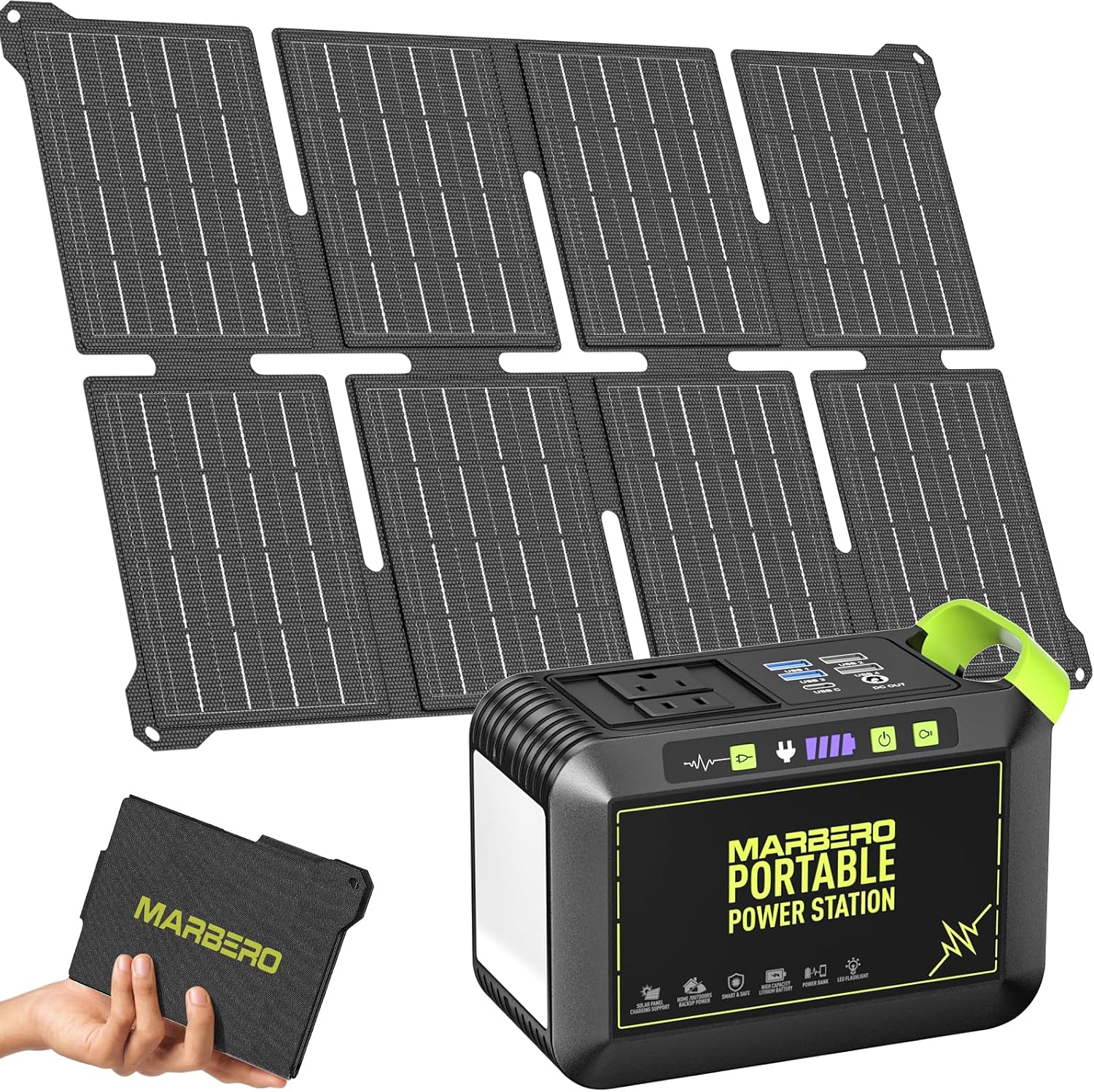
Buy on AmazonMARBERO Solar Powered Generator 88Wh, 120W Surge with 25W Solar Panel Kit
Ultra-light backpackers or commuters who want a solar-inclusive kit that weighs almost nothing.
The combined kit weighs under 3.5 lbs total, making it the lightest complete solar generator package in this set, with monocrystalline panels claiming 24.3 percent efficiency.
At only 88Wh capacity, runtime is very limited compared to every other station in the set, and the AC output is rated at just 80W continuous.
Budget
- Solar panel included in the kit
- Charges 8 devices simultaneously
- Military-grade monocrystalline panel at 24.3% efficiency
- Smallest capacity in this set at 88Wh
- AC output limited to 80W rated
The go-anywhere solar kit for minimal power needs, but its tiny capacity means it suits phones and tablets far better than laptops or appliances.
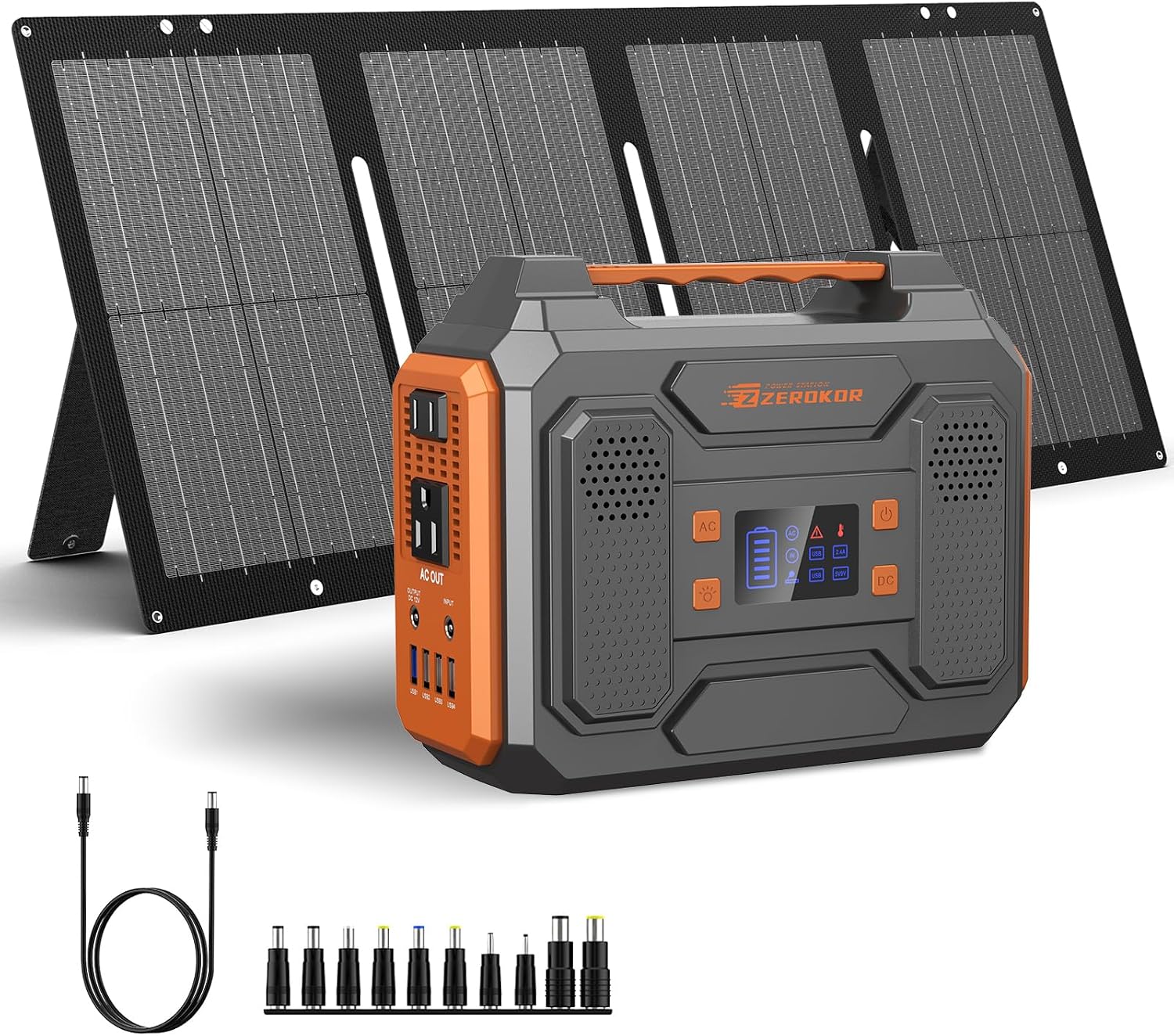
Buy on AmazonPortable Solar Generator 300W Portable Power Station with 60W Solar Panel
Budget-conscious campers who want a solar panel bundled in and need an SOS flashlight for safety.
Comes with a 60W solar panel included and adds a three-mode flashlight with SOS signaling, features absent on several other similarly priced picks.
The brand and battery chemistry details are not specified in the listing, making durability and cycle-life expectations unclear compared to named-chemistry competitors.
Mid-range
- 60W solar panel included
- SOS and reading flashlight built in
- Multiple AC, USB, and DC output ports
- Battery chemistry and cycle count not disclosed
- 300W AC ceiling limits larger appliances
A solid all-in-one bundle with a useful safety flashlight, though the lack of stated battery chemistry makes longevity harder to assess.
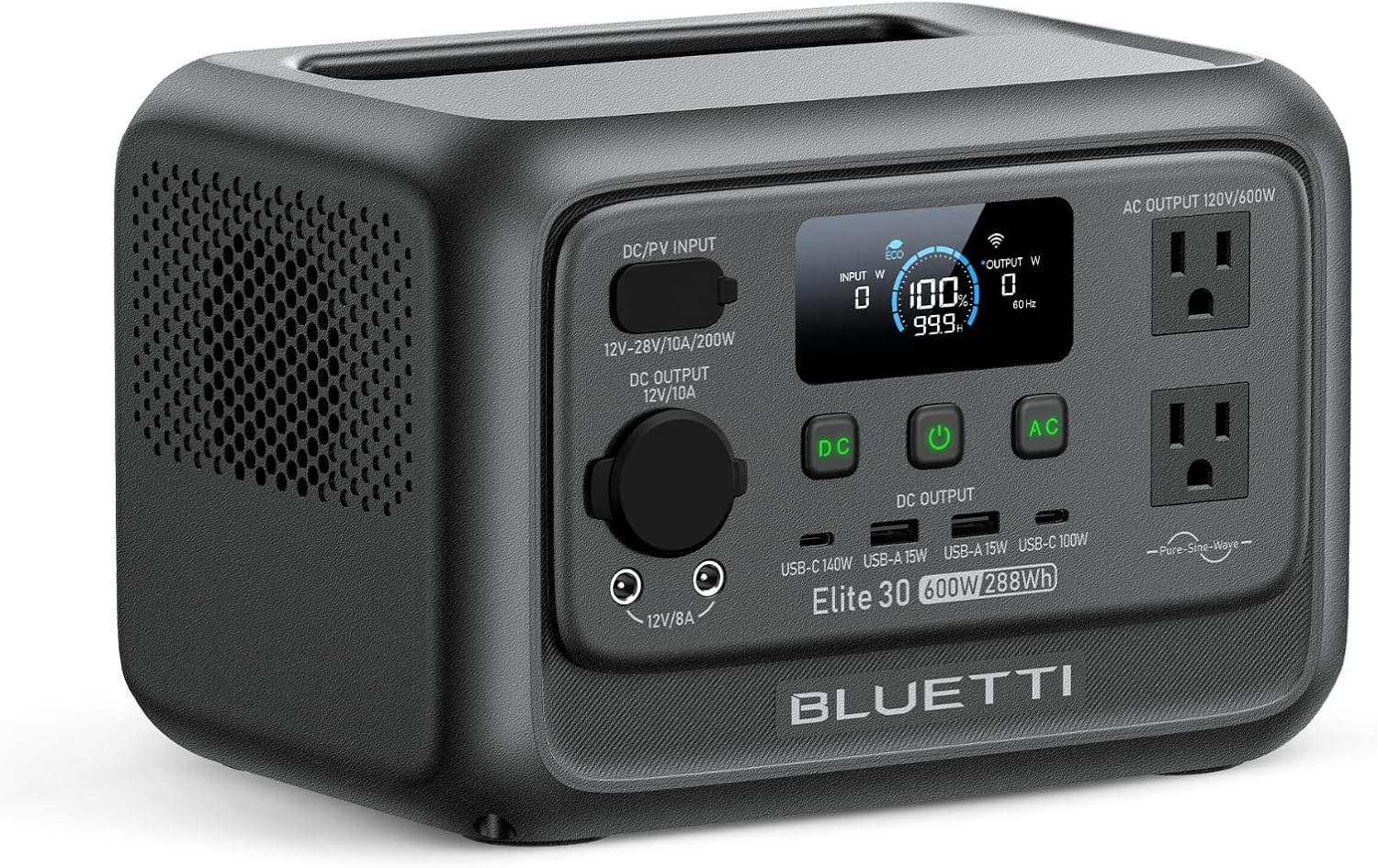
Buy on AmazonBLUETTI Elite 30 V2 Portable Power Station 288Wh 600W LFP Solar Generator
Home and outdoor users who want rapid wall charging, high surge capability, and energy efficiency in a compact sub-10-lb form.
Power Lifting Mode boosts output to 1,500W surge from a 288Wh unit, and the 380W wall charge reaches 80 percent in just 45 minutes, the fastest stated recharge in this capacity tier.
Solar panel is not included, and the listing does not specify the maximum solar input wattage clearly, making off-grid planning less straightforward.
Mid-range
- 0 to 80% in 45 minutes via wall charge
- 1,500W surge via Power Lifting Mode
- LFP battery with low 4.5W standby draw
- Solar panel not included
- Maximum solar input not clearly stated
The smartest pick for speed-focused users who need rapid top-ups and high surge power from a lightweight station, provided they are not counting on bundled solar.
Buy on AmazonWhether you are preparing for unexpected outages or gearing up for your next camping trip, having a reliable portable power station can make a real difference. The options featured here cover a range of capacities and budgets, so there is likely something that fits your needs well. Take a closer look at the links above and see which one feels like the right match for your lifestyle. A little preparation now can save you a lot of stress later. Thanks for reading, and we hope you find exactly what you are looking for!
Frequently asked questions
Which portable power station in this lineup can handle a full home-outage scenario with larger appliances like a mini fridge or window AC unit?
The Jackery Solar Generator 1000 V2 is the clear choice for heavier loads, with a 1,500W continuous AC output and a 3,000W surge peak, which is enough headroom to run a mini fridge, electric pot, or a small AC unit according to the seller listing. Its 1,070Wh capacity also gives you significantly more runtime than the 280 to 300Wh units in this group. The smaller stations from Jackery, BLUETTI, EnginStar, and ZeroKor are better suited for phones, laptops, CPAP machines, and cameras during an outage, not high-draw appliances. If large appliance coverage is your priority, confirm the continuous wattage of your specific device before buying any station.
What battery chemistry do these power stations use, and does it affect how long they will last before needing replacement?
Several units in this lineup use lithium iron phosphate chemistry (often labeled LFP or LiFePO4), which the sellers of the Jackery Explorer 300, Jackery Solar Generator 1000 V2, and BLUETTI Elite 30 V2 each claim supports over 4,000 charge cycles before dropping to 70% capacity, translating to a stated lifespan exceeding 10 years. LFP chemistry is generally considered more thermally stable and longer lasting than standard lithium ion, though those are seller claims and independent testing would confirm real-world figures. The MARBERO, ZeroKor, and EnginStar listings do not specify battery chemistry in the supplied excerpts, so buyers interested in those units should confirm that detail directly with the manufacturer. If longevity is a top priority, the stated cycle count is a useful comparison point to ask about before purchasing.
Which option makes the most sense for ultralight hiking or backpacking where every pound matters?
The MARBERO M82 at 2.3 lbs is by far the lightest unit here and even ships with a 1.15 lb foldable 25W solar panel included, making the combined kit roughly 3.5 lbs. Its 88.8Wh capacity is best suited for phones, small tablets, and low-draw electronics rather than laptops or power-hungry gear. The Jackery Explorer 300 is also positioned as lightweight at 7.5 lbs with 292Wh, which the seller notes is 17 percent lighter than the industry average for its capacity class. For multi-day trips where you need to run a laptop or drone, the Explorer 300 offers a better capacity-to-weight tradeoff, while the MARBERO is the better pick when absolute pack weight is the deciding factor.
Do any of these stations come with a solar panel included, and how quickly can they recharge from sunlight alone?
Three products in this lineup include solar panels in the box: the MARBERO M82 comes with a 25W panel, the ZeroKor unit includes a 60W panel, and the Jackery Solar Generator 1000 V2 bundles a 200W panel. The Jackery Explorer 300 and BLUETTI Elite 30 V2 are sold without panels, though both support solar input and are designed to pair with separately purchased panels. Solar recharge times depend heavily on sun conditions, panel angle, and shading, so seller-stated times (such as Jackery Explorer 300 reaching 80 percent in roughly 2.8 hours with a 100W panel) represent best-case scenarios. If you want a ready-to-use solar setup right out of the box, the bundled kits save the compatibility research, but verify that the included panel wattage matches your expected daily power needs.
How difficult is setup for someone who has never owned a portable power station before?
Most units here are designed to be genuinely plug-and-play: plug in the charging cable, press the power button, and connect your devices to the output ports. The Jackery Solar Generator 1000 V2 adds an app-based feature that lets you activate a one-hour fast-charge mode, which requires a smartphone and the Jackery app but is optional rather than required for basic use. The BLUETTI Elite 30 V2 listing mentions eight different charging modes and an adjustable wall-charge rate, so new users may want to spend a few minutes with the manual to choose the right mode for their situation. Units with bundled solar panels like the MARBERO and ZeroKor kits require no separate compatibility research, which simplifies the initial setup for solar newcomers.